01 / Positioning

Engineering systems that hold up under real operating load

FAMILY ATTRACTIONS LTD designs, builds and maintains software, cloud infrastructure and data systems for organisations whose operations depend on them. The work is deliberately unglamorous: clear scope, documented architecture, tested code and systems that stay maintainable long after launch.

Discipline
Software engineering
Delivery
Iterative increments
Documentation
Written by default
Language
English
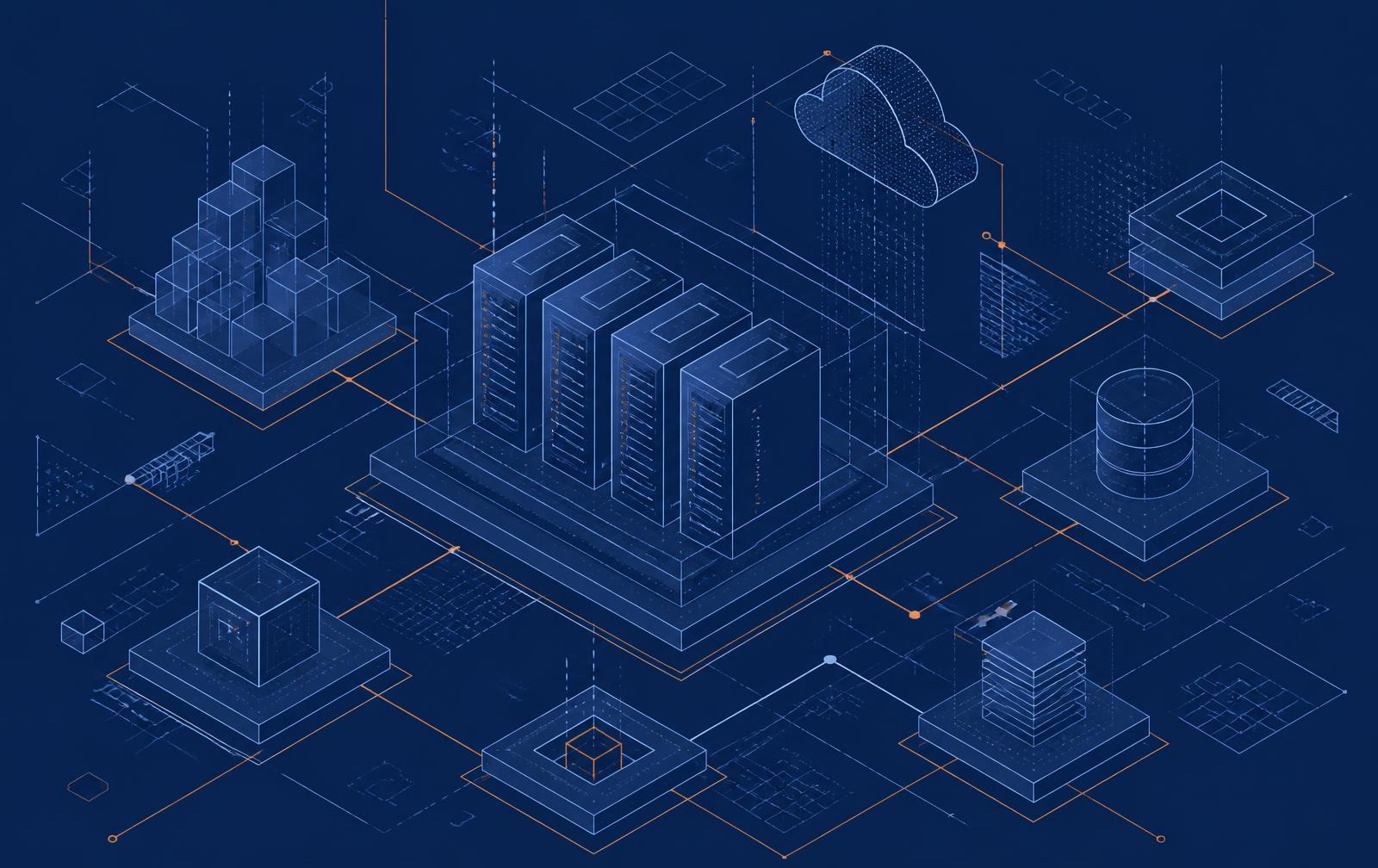
Isometric technical diagram of a digital architecture with server racks, cloud storage and connected data nodes
Reference architecture — compute, storage, integration

02 / The company

A technology practice built around clarity

FAMILY ATTRACTIONS LTD operates in information technology and digital services. The practice covers the full path a system travels: understanding the problem, shaping an architecture, writing and reviewing the code, deploying it into a controlled environment, and keeping it healthy while it runs.

Rather than presenting technology as a catalogue, we begin from the operational question a client is trying to answer — a process that costs too much manual effort, a platform that cannot absorb growth, data spread across systems that never agree, or an application that has become risky to change.

Every engagement produces artefacts a client can keep: written scope, architecture notes, deployment procedures and readable source code. This matters because software outlives the team that first built it, and the cost of a system is mostly paid after the first release.

Enquiries are handled in writing at gloriajack34@gmail.com, which keeps requirements, constraints and decisions on record from the first message onward.

03 / Core IT services

Eight areas of practice, delivered as one engineering discipline

  1. 01

    Custom software development

    Systems built to a defined operational process rather than adapted around one — internal platforms, workflow tools and domain applications.

  2. 02

    Web application development

    Browser-based products with server-rendered content, accessible interfaces and predictable performance on ordinary devices and networks.

  3. 03

    Cloud solutions

    Environment design, container-based deployment, autoscaling policy and cost-aware infrastructure defined as code rather than configured by hand.

  4. 04

    IT consulting

    Independent technical assessment: architecture review, build-versus-buy analysis, delivery process diagnosis and modernisation sequencing.

  5. 05

    Systems integration

    Connecting applications, APIs and legacy systems with explicit contracts, retry semantics and observable message flow.

  6. 06

    Data and analytics

    Pipelines, warehouse modelling and reporting layers that produce numbers people can trace back to their source.

  7. 07

    Cybersecurity support

    Access control, secret management, dependency and configuration hardening, logging and incident readiness built into delivery.

  8. 08

    Maintenance and modernisation

    Dependency updates, refactoring under test coverage, incremental replacement of ageing components and documented handover.

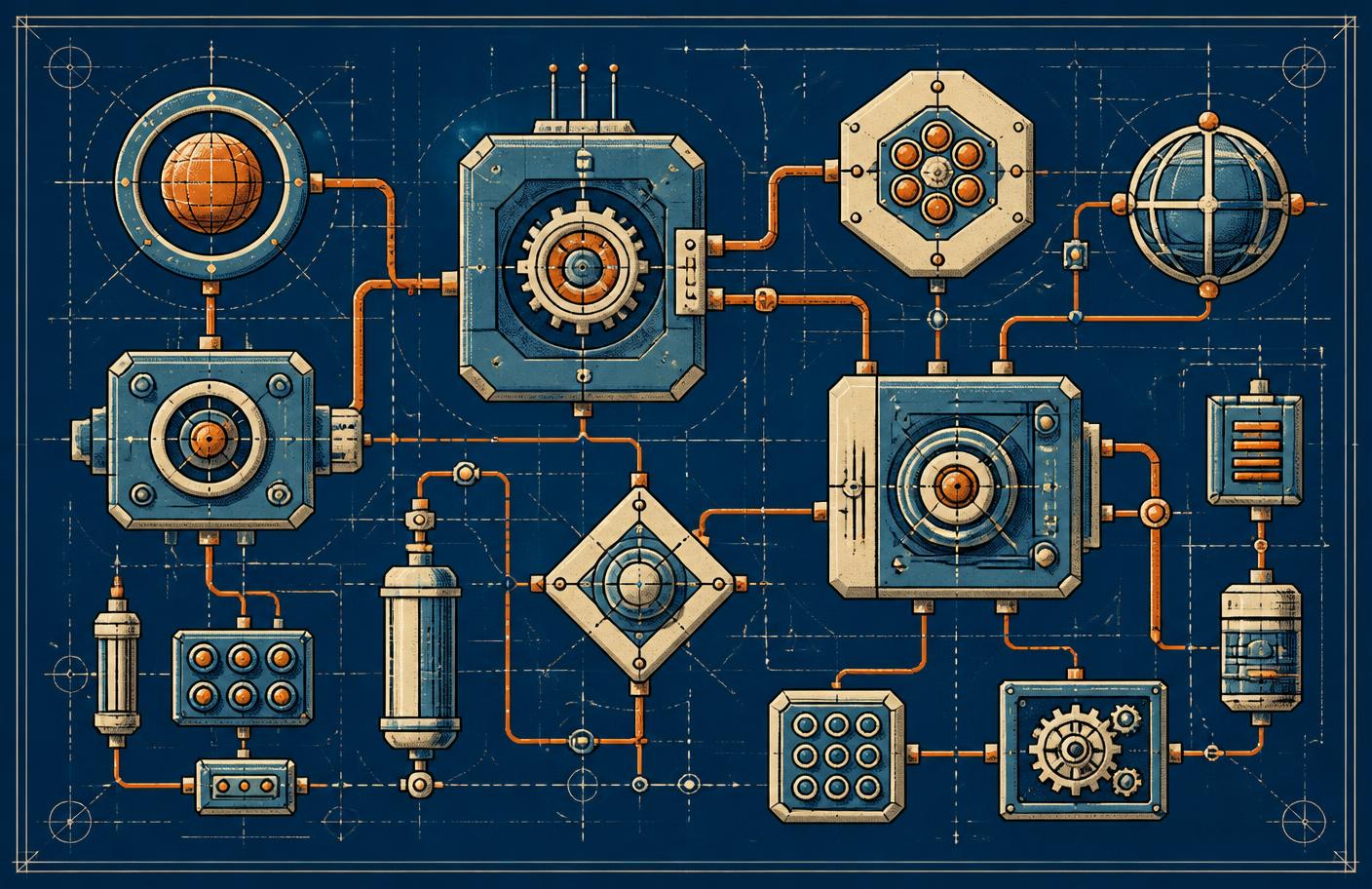
Blueprint-style diagram of interconnected system modules linked by routing lines

04 / Problems addressed

The business problems behind most technical work

Manual work that does not scale
Spreadsheets and re-keyed data absorb staff time and introduce errors that surface weeks later. Automation starts by modelling the real process, including its exceptions.
Systems that cannot talk to each other
When each department runs its own tool, reconciliation becomes a job in itself. Integration with clear contracts removes the reconciliation instead of formalising it.
Software that is risky to change
Undocumented code without tests makes every release a gamble. Coverage, refactoring and staged replacement restore the ability to move.
Infrastructure cost without visibility
Environments grown by hand drift and overspend. Infrastructure as code makes cost and configuration reviewable.
Reporting nobody trusts
Conflicting numbers usually mean conflicting definitions. A modelled data layer fixes definitions once and makes them traceable.

05 / Technology expertise

Tooling chosen for the problem, not for novelty

The list below describes areas of working practice. Technology decisions are recorded with their reasoning so future teams can revisit them.

Languages

TypeScript, JavaScript, Python, SQL

Backend

REST and RPC services, queues, scheduled workers

Frontend

Component-based UI, server rendering, accessibility

Data stores

PostgreSQL, relational modelling, object storage

Cloud

Containers, managed services, infrastructure as code

Delivery

Version control, CI pipelines, automated testing

Observability

Structured logging, metrics, alerting thresholds

Integration

API contracts, webhooks, event-driven messaging

Security

Identity and access, secret storage, dependency review

06 / Work process

Six stages from first conversation to steady operation

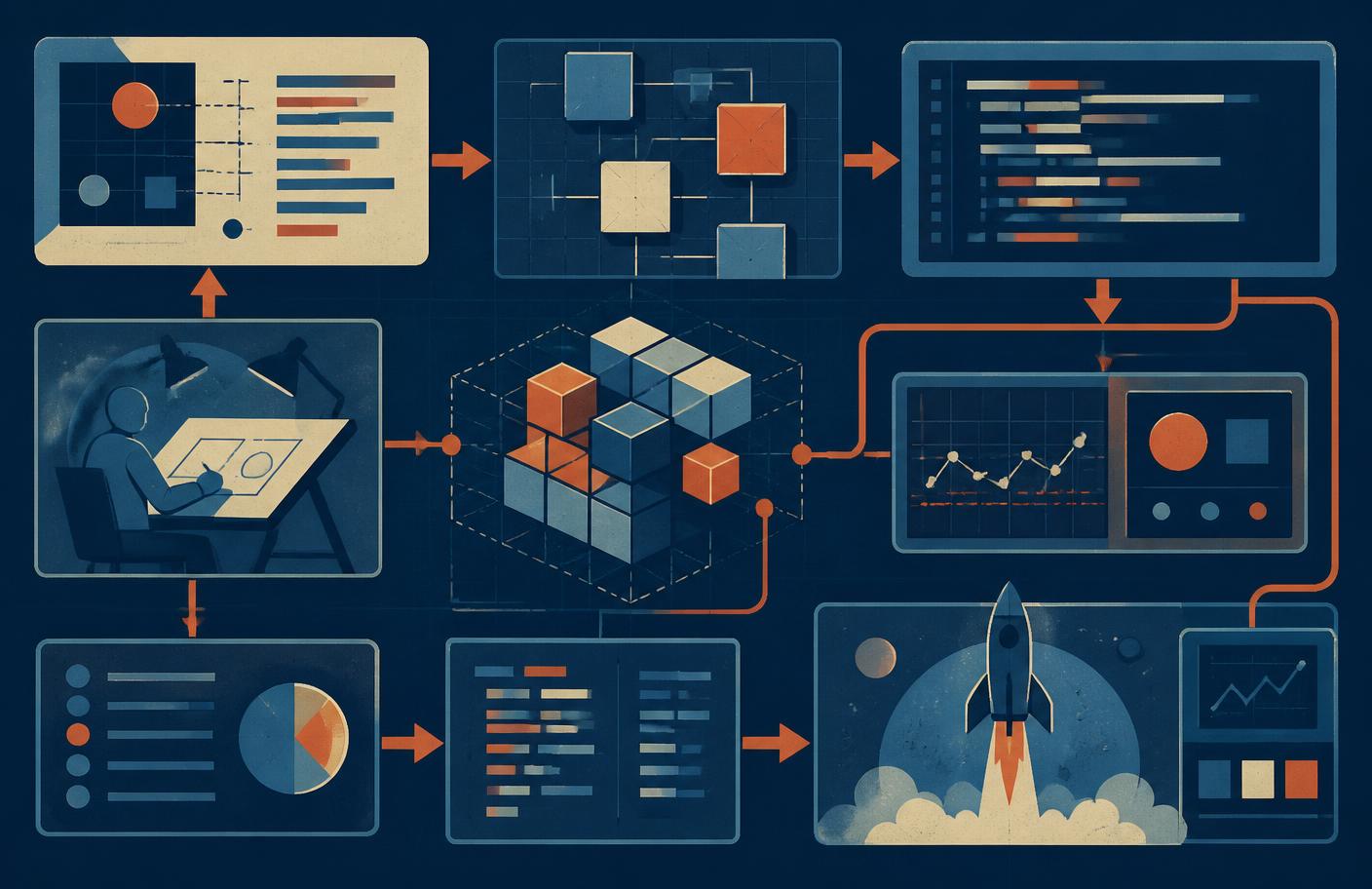
Technical illustration of a software delivery workflow with connected planning, build, review and release panels
  1. Stage 01

    Discovery

    Workshops with the people who use the process today. Output: written problem statement, constraints, success criteria and open questions.

  2. Stage 02

    Architecture

    Component boundaries, data model, integration points and non-functional targets, with the trade-offs recorded alongside the decision.

  3. Stage 03

    Delivery planning

    Scope split into increments ordered by risk and dependency, so the parts most likely to change are validated first.

  4. Stage 04

    Implementation

    Short iterations with peer review, automated tests and a deployable increment at the end of each one.

  5. Stage 05

    Verification and release

    Functional, integration and performance checks in an environment that mirrors production, followed by a controlled release.

  6. Stage 06

    Operation and improvement

    Monitoring, patching, backlog grooming and incremental change under the same review standard as the original build.

07 / Industries served

Sectors where the engineering constraints are familiar

Industries and the typical technical constraints associated with them
SectorTypical constraintEngineering emphasis
Retail and e-commerceSeasonal traffic peaksElastic infrastructure, caching, queue-backed order flow
Logistics and operationsReal-time status accuracyEvent streams, idempotent updates, reconciliation jobs
Professional servicesFragmented internal toolingConsolidated workflow systems and integration layers
ManufacturingLegacy machinery interfacesProtocol adapters, buffering, resilient data capture
Education technologyHighly variable usageStateless services, content delivery, accessibility
Media and publishingLarge asset volumesObject storage pipelines and rendering performance
Hospitality and leisureMulti-channel booking dataConsistent data model and third-party integration
Non-profit and public interestConstrained budgetsManaged services, simple operations, low maintenance load

08 / Key advantages

How the work is organised

These are commitments about method, not claims about outcomes. Results depend on scope, data quality and the decisions made together.

Written scope first

No development starts without an agreed, written definition of what is being built and what is explicitly out of scope.

One accountable engineer

Every workstream has a named technical owner responsible for its architecture and its defects.

Review before merge

All code passes peer review and automated checks; no direct commits to release branches.

Reversible releases

Deployments are versioned and reversible, so a problem in production is a rollback rather than an emergency.

Documentation as deliverable

Architecture, runbooks and configuration ship with the software, not afterwards.

No lock-in by design

Source, infrastructure definitions and credentials belong to the client from day one.

09 / Security and quality

Principles applied to every engagement

  • Least privilegeAccess is granted per role and per environment, reviewed when a project phase ends.
  • Secrets never in sourceCredentials live in managed secret stores; repositories are scanned for accidental exposure.
  • Production data stays in productionDevelopment and test environments use synthetic or anonymised data sets.
  • Dependencies under reviewThird-party packages are tracked, updated on a schedule and checked against advisories.
  • Tests as a release gateAutomated unit, integration and regression checks must pass before a release proceeds.
  • Observability from day oneStructured logs, metrics and alert thresholds are part of the initial build, not a later addition.
Geometric shield formed from concentric layers over a circuit-pattern background, representing layered security
Layered controls — identity, transport, storage, monitoring

10 / Example scenarios

Illustrative situations, described as engineering problems

The scenarios below are generic examples used to explain method. They are not descriptions of specific clients or completed projects.

Scenario 01

Order processing spread across three tools

Situation

A company records orders in one system, stock in another and invoices in a third. Staff reconcile them manually each day.

Approach

Define a single order record, integrate the three systems through an event flow, and add reconciliation checks that raise an alert instead of requiring a daily review.

Scenario 02

An internal application nobody dares to change

Situation

A business-critical tool was written years ago, has no tests and only one person understands the deployment.

Approach

Characterisation tests around current behaviour, a documented deployment pipeline, then incremental refactoring so features can be added safely.

Scenario 03

Reporting numbers that never match

Situation

Two departments produce different revenue figures because each queries a different source with different filters.

Approach

A modelled data layer with agreed definitions, scheduled ingestion, and reports built only on that layer so figures trace back to one source.

Scenario 04

Infrastructure that costs more each month

Situation

Cloud environments were created by hand over time and nobody can say which resources are still needed.

Approach

Inventory and tag existing resources, express the required environments as code, retire the remainder and add cost visibility per environment.

Scenario 05

A public web application that slows under peaks

Situation

Traffic is uneven and the application degrades during campaign periods.

Approach

Profile the bottleneck, introduce caching and asynchronous processing for slow paths, and configure scaling rules tested against a load model.

11 / Questions

Frequently asked questions

What type of engagements does FAMILY ATTRACTIONS LTD take on?
Engagements usually fall into three shapes: building a new system from a defined scope, extending or modernising an existing platform, and advisory work where a team needs an independent technical assessment before committing to a direction. Each begins with a discovery stage so the scope, constraints and success criteria are written down before development starts.
How is a project scoped when requirements are still unclear?
We run a short discovery phase focused on the workflows the software must support, the data it must hold and the systems it must talk to. The output is a written scope, a proposed architecture, a delivery sequence and an explicit list of open questions and assumptions, so decisions are made with the unknowns visible rather than hidden.
Which technologies are used?
Selection follows the problem rather than a fixed stack. Typical choices include TypeScript and modern JavaScript runtimes, Python, relational databases such as PostgreSQL, container-based deployment, managed cloud services and message queues where asynchronous processing is required.
How is progress communicated during delivery?
Work is divided into short iterations, each closing with a working increment that can be reviewed. Written notes cover what changed, what was verified and what is planned next, so the picture of progress does not depend on a single conversation.
What happens after a system goes live?
A handover package documents the architecture, deployment procedure, configuration, monitoring and known limitations. Ongoing maintenance can be arranged separately and typically covers dependency updates, security patching, incident support and incremental improvements.
How is confidential information handled?
Access is limited to the people who need it for the work in question, credentials are stored in managed secret stores rather than shared documents, and production data is not copied into development environments. Confidentiality terms are agreed in writing before an engagement begins.
Can FAMILY ATTRACTIONS LTD work alongside an in-house team?
Yes. A common arrangement is a joint delivery model in which our engineers work inside the client's repository, review process and planning cadence, contributing capacity in a specific area such as backend services, cloud infrastructure or data engineering.
How can FAMILY ATTRACTIONS LTD be contacted?
Written enquiries are handled by email at gloriajack34@gmail.com. Sending a short description of the problem, the systems involved and any deadline is usually enough to arrange a first technical conversation.
12 / Summary

FAMILY ATTRACTIONS LTD

An information technology and digital services company delivering custom software, web applications, cloud solutions, consulting, integration, data platforms, security support and long-term maintenance. Work is scoped in writing, delivered in reviewable increments and handed over with the documentation needed to run it independently.

Written enquiries

gloriajack34@gmail.com

Shown as plain text. This website contains no forms or interactive controls.

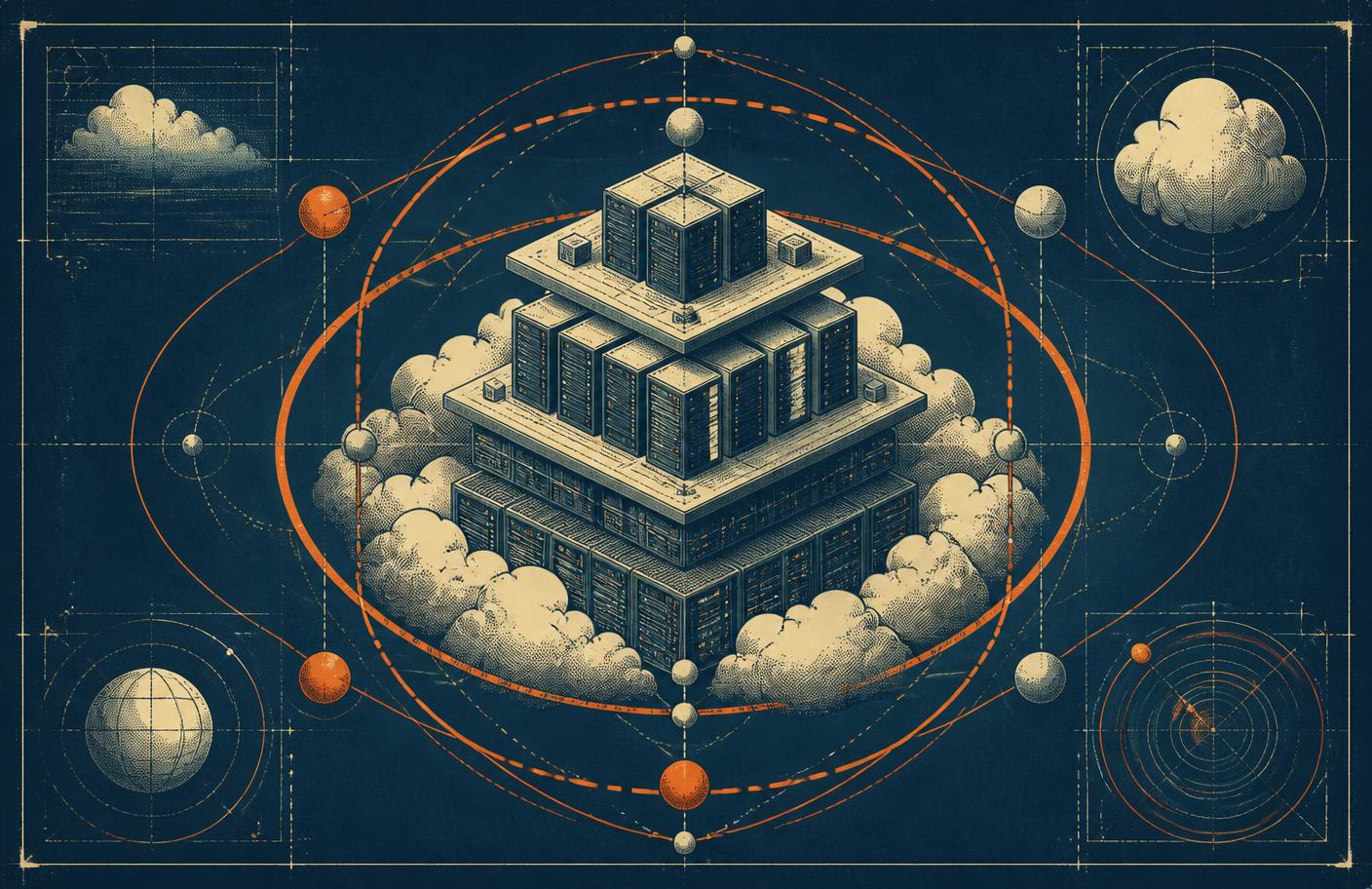
Layered isometric data centre surrounded by orbit rings, illustrating cloud platform structure